The complexity of modern transportation means that for many of us, our vehicles are the most sophisticated pieces of technology we own, yet they are often the least understood. We rely on them to bridge the gap between our homes, our jobs, and our families, expecting seamless performance regardless of weather or road conditions. This reliance creates a dangerous complacency; we assume that as long as the engine turns over, everything is functioning as it should. However, a car is not a static object—it is a dynamic system in a constant state of wear and tear. By sharpening your diagnostic senses, you transition from a passive passenger to an empowered owner, capable of identifying issues while they are still manageable “fixes” rather than catastrophic failures.
Your car is a complex symphony of thousands of moving parts, all working in unison to propel you safely at high speeds. Because we spend so much time in the driver’s seat, it is easy to become “car blind”—attuning ourselves to small rattles or slightly delayed shifts as if they were normal quirks of the machine. However, ignoring these subtle whispers from your vehicle is the fastest way to turn a $100 maintenance task into a $3,000 mechanical catastrophe.
Modern vehicles are designed to be resilient, but they are not invincible. Learning to decode the sensory input your car provides—what you see, smell, hear, and feel—is the most valuable skill a car owner can possess. This guide will walk you through the diagnostic process, helping you understand when your car is asking for help and how to respond before you find yourself stranded on the side of the highway.
The Digital Handshake: Dashboard Warnings and Diagnostics

The most obvious sign that your vehicle needs attention is the glowing icon on your dashboard. While many drivers treat the “Check Engine” light like a suggestion rather than a command, modern On-Board Diagnostics (OBD-II) systems are incredibly sophisticated. They monitor everything from fuel-to-air ratios to the efficiency of your catalytic converter.
When a light appears, pay attention to the color. Generally, a yellow or orange light is a “caution” signal, suggesting a system is operating outside of its normal parameters. A red light, however, is an “emergency” signal, often indicating a loss of oil pressure or a dangerous overheating condition. In these cases, you should pull over immediately.
While you can buy inexpensive code readers at most local auto accessories shops, these tools only provide a starting point. A code might tell you a sensor is reading poorly, but it won’t tell you why. For a definitive answer, you should visit reputable auto repair shops where technicians have high-level scanners capable of “talking” to every module in the car, from the transmission to the body control unit.
Exterior Integrity and Structural Health
We often focus on what’s under the hood, but the physical shell of your car is its first line of defense. Structural issues can be subtle. If you notice that your doors are beginning to stick, or if the gaps between your hood and fenders look uneven, your vehicle’s frame may be out of alignment. This can happen after a minor impact or even from hitting a particularly deep pothole at high speed.
If you’ve been in a minor scrape, it is tempting to ignore the cosmetic damage. However, paint serves as a seal against moisture. Once the metal is exposed, rust begins to form, spreading like a virus beneath the surface. For these issues, you need the specialized eye of an auto body mechanic. These professionals don’t just make the car look pretty; they ensure that the “crumple zones” designed to protect you in an accident are still structurally sound.
Ignoring exterior maintenance can also lead to secondary failures. For example, a misaligned bumper might interfere with the proximity sensors used for adaptive cruise control or emergency braking, compromising your active safety systems.
Decoding Unusual Noises and Drivetrain Feedback
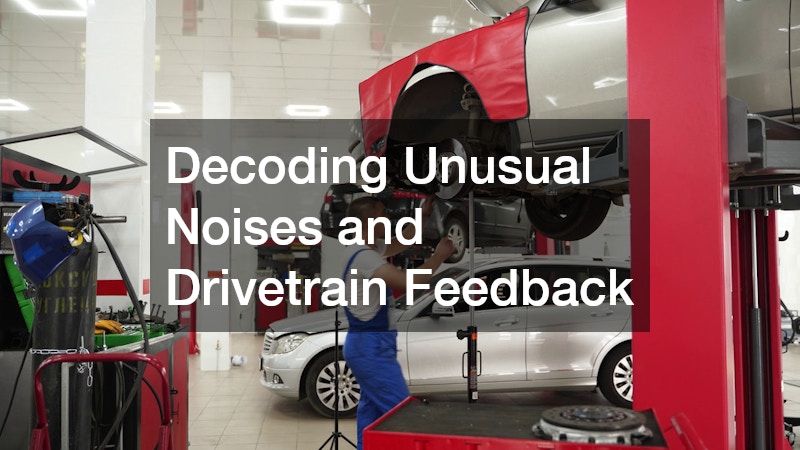
Your ears are often your best diagnostic tools. A healthy engine should have a consistent, rhythmic hum. If that hum turns into a rhythmic ticking, you might be looking at low oil levels or valve train issues. A high-pitched squeal when you start the car usually points toward a worn serpentine belt, while a grinding noise during braking is a literal “cry for help” from your brake rotors.
The drivetrain—the system that transfers power from the engine to the wheels—is particularly communicative. If you feel a “thud” when the car changes gears, or if the engine revs high without the car accelerating proportionally, you are likely experiencing transmission slip. In older vehicles, the cost of a brand-new factory unit can sometimes exceed the value of the car itself. In these scenarios, many savvy owners opt for used transmissions sourced from low-mileage donor vehicles. This can extend the life of the car by several years without breaking the bank.
When replacing components, you don’t always need to buy parts straight from the dealership’s parts counter. For non-critical components or older models, a high-quality used auto part can be a sustainable and cost-effective alternative, provided it is inspected for integrity before installation.
Visibility and the Importance of Glass

A tiny chip in your windshield might seem like a minor annoyance, but it represents a significant safety risk. The windshield is a structural component of the vehicle; in a rollover accident, it provides up to 50% of the cabin’s structural integrity. Furthermore, modern windshields are often the “eyes” of the car, housing cameras and rain sensors.
If a crack is longer than a credit card or is located directly in the driver’s line of sight, a car window replacement is usually mandatory. Attempting to “fill” a large crack is often a temporary fix that fails under the stress of temperature fluctuations. When the glass is compromised, it can no longer properly support the deployment of the passenger-side airbag, which bounces off the glass before inflating toward the passenger. Ensuring your glass is pristine is not just about aesthetics—it is a core pillar of your vehicle’s safety rating.
Handling Specialized Performance Systems
If you drive a truck or an SUV equipped with specialized drivetrain technology, your maintenance checklist is slightly longer. These vehicles use complex transfer cases and differentials to manage power distribution. If you notice a “binding” sensation when turning at low speeds, or if the vehicle refuses to engage its secondary drive wheels, you are likely looking at necessary 4-wheel drive repairs.
These systems require specific lubricants that break down over time, especially if the vehicle is used for towing or off-roading. If you ignore these symptoms, the internal gears can shear, leading to a total loss of mobility. In the worst-case scenario, a catastrophic mechanical failure on the highway might require you to call a towing company to haul the vehicle to a specialized shop. Being proactive about fluid changes in your differentials and transfer case can prevent these expensive “rescue” scenarios.
Climate Control and Cabin Comfort

The air conditioning system in your car is a closed loop, meaning it shouldn’t “lose” refrigerant unless there is a leak. If you notice that your vents are blowing ambient-temperature air even when the dial is turned to the lowest setting, you are likely in need of a car ac repair service.
Common symptoms of AC failure include:
- A “Clicking” Sound: This is often the AC compressor clutch failing to engage.
- Musty Odors: This suggests moisture buildup in the evaporator core, which can lead to mold.
- Hissing Sounds: Usually indicative of a high-pressure refrigerant leak.
Maintaining the HVAC system isn’t just about comfort; it’s about safety. In the winter, a failing AC compressor can prevent your defroster from effectively removing moisture from the inside of the windshield, severely limiting your visibility during a storm.
The Legal and Financial Realities of Maintenance
Vehicle ownership isn’t just about turning wrenches; it’s about managing a significant financial asset. When repairs go wrong, or if a mechanical failure results in an accident, the situation can move from the garage to the courtroom. If you suspect that a recent repair was performed negligently, or if a manufacturer’s defect caused a crash, you might need to speak with an automobile attorney. These legal experts specialize in “Lemon Law” and liability, ensuring that the consumer isn’t left holding the bill for a professional’s mistake or a factory flaw.
Keeping detailed records of every oil change, tire rotation, and major repair is your best defense. These records prove that you have met your responsibilities as an owner, which is vital for warranty claims and insurance settlements.
Sensory Checklist: What to Look, Feel, and Smell For
To help you stay ahead of the curve, here is a quick-reference guide to common symptoms:
What You Feel:
- Vibration in the steering wheel usually indicates an unbalanced tire or a bent rim.
- Vibration in the seat often suggests an issue with the rear tires or the driveshaft.
- Pulling to One Side: Typically, an alignment issue or a sticking brake caliper.
- Spongy Brake Pedal: Air in the brake lines or a failing master cylinder.
What You Smell:
- Sweet/Syrupy: This is the smell of ethylene glycol (coolant). It usually means a leak in your radiator or heater core.
- Acrid/Burning Toast: Electrical short or burning insulation.
- Rotten Eggs: This points toward a failing catalytic converter or a sulfur buildup in the battery.
- Burning Oil: Likely a leak dripping onto the hot exhaust manifold.
What You See:
- Puddles Under the Car: Clear is usually AC condensation (normal); Bright Green/Pink is coolant; Dark Brown/Black is oil; Red is transmission or power steering fluid.
- Uneven Tire Wear: If the inside of the tire is bald but the outside is new, your alignment is significantly off.
The Importance of the “Test Drive” Mentality
Every few months, you should perform a “diagnostic drive.” Turn off the radio, put down your phone, and drive in a quiet environment. Accelerate hard, brake firmly (when safe), and perform several low-speed turns. This focused attention allows you to notice the tiny changes in behavior that occur over thousands of miles.
Modern cars are designed to mask imperfections. Noise-canceling cabins and electronic power steering can hide the early signs of a failing wheel bearing or a worn tie rod. By consciously looking for these signs, you become an active participant in your car’s longevity.
Knowing When to Fold: Repair vs. Replace
There comes a point in every vehicle’s life where the cost of the next repair exceeds the utility of the car. This is often referred to as “the tipping point.” If you are facing a major engine overhaul or a full frame restoration, sit down and do the math.
Consider the following:
- The Frequency of Repair: Is this a one-time fix, or has the car been in the shop every month for a year?
- Safety: Can this car still be made “safe,” or has rust/impact damage compromised its integrity?
- Reliability: Even if it’s fixed, do you trust this vehicle to take you on a 500-mile road trip?
If the answer to these questions is “no,” it may be time to move on. However, for most well-maintained vehicles, a proactive approach to small repairs can easily push a car past the 200,000-mile mark.
Taking care of a car doesn’t require you to be a master mechanic. It simply requires you to be an observant owner. By paying attention to the signals your vehicle sends and addressing them promptly, you transform your relationship with your car from one of “unpredictable expense” to “reliable partnership.”
When you learn to hear the squeak of a brake pad before it ruins a rotor, or spot the drip of a coolant leak before the engine overheats, you are saving more than just money. You are ensuring that whenever you turn the key, your vehicle is ready to perform its primary mission: getting you and your loved ones to your destination safely and without drama. Stay vigilant, stay informed, and treat your car with the respect that a complex machine deserves.
Ultimately, the goal of automotive stewardship is peace of mind. There is a profound sense of confidence that comes from knowing your vehicle inside and out, understanding that you aren’t just driving a black box of mysteries, but a finely tuned instrument that you have helped maintain. As technology continues to evolve, the tools we use to fix our cars may change, but the fundamental need for human intuition and care remains the same. By committing to this level of detail, you ensure that your journey remains uninterrupted, your budget remains intact, and your car remains a loyal companion for all the miles yet to come.