For most households, a vehicle represents one of the largest ongoing financial commitments behind housing. The decision to keep driving an aging, paid-off vehicle or trade it in for a newer model often creates a stressful internal debate. On one hand, driving a car without a monthly loan payment provides incredible financial freedom. On the other hand, the anxiety of unexpected breakdowns, expensive service visits, and fading reliability can quickly make that sense of freedom feel like an illusion.
Knowing when to step away from an aging vehicle is rarely about a single broken part; it requires looking at your total transportation costs, mechanical safety, and personal lifestyle needs. Every car eventually reaches a point of diminishing returns where pouring additional money into fixes no longer protects your investment. By evaluating clear financial benchmarks, structural health indicators, and safety thresholds, you can make a confident, financially sound choice about whether to keep your keys or shop for a replacement.
Applying the 50% Rule and Comparing Annual Payments
A standard financial benchmark used by automotive analysts is the 50% Rule: if a single mechanical fix costs more than half of your vehicle’s total current market value, repairing it is rarely a sound investment. For instance, putting a $4,000 transmission into a car worth $6,000 on the private market fails to increase its resale value by $4,000. Instead, you simply end up with a $6,000 car that happens to have a working transmission.
To calculate your true financial tipping point, compare your projected annual maintenance expenses against the reality of replacement costs:
-
Calculate Annual Fixes: Sum all routine maintenance and unexpected fixes over the past twelve months, including tires, brakes, fluid flushes, and unexpected mechanical issues.
-
Estimate Loan Payments: Multiply a realistic monthly replacement payment by twelve to find your annual loan cost.
-
Factor Insurance and Taxes: Remember that newer cars carry higher comprehensive and collision insurance premiums along with elevated annual registration fees.
When your annual maintenance costs start approaching or exceeding twelve months of new loan payments, keeping the older car loses its financial advantage. Before authorizing major engine or transmission overhauls, obtain second opinions and detailed cost breakdowns from reliable auto shops to confirm whether the fix resolves the root issue or merely patches a dying system.
Accounting for Depreciation and Total Cost of Ownership
Vehicle depreciation behaves very differently depending on where a car is in its lifecycle. New cars suffer their steepest drop in value during the first three years, often losing up to 40% or more of their original sticker price. Conversely, an eight- to twelve-year-old vehicle sits on a much flatter depreciation curve, losing very little value from year to year.
Understanding this curve allows you to maximize your total cost of ownership:
-
The Sweet Spot: Driving a vehicle through its flat depreciation phase (years 6 through 10) yields the lowest overall cost per mile driven.
-
Resale Preservation: Keeping meticulous receipts and establishing a consistent service history with trustworthy local auto mechanics helps maintain residual value when you finally decide to sell.
-
Opportunity Cost: Money spent keeping a depreciating asset on the road is capital that cannot be invested or saved toward your next vehicle down payment.
Evaluating Essential Safety and Stopping Systems
Components like brake pads, rotors, tires, and shock absorbers are wear items designed for periodic replacement. Budgeting for these parts is a normal aspect of vehicle ownership, not an indicator that your car is failing. However, when severe corrosion or neglected wear spreads into primary hydraulic lines, ABS control modules, or steering racks, repair expenses skyrocket.
Critical stopping and handling systems require regular monitoring to ensure safe operation:
-
Brake Hydraulics: Rusted steel brake lines, sticking calipers, and failing master cylinders require immediate attention to prevent total hydraulic failure.
-
Suspension Geometry: Worn ball joints, control arm bushings, and tie rods cause uneven tire wear and unpredictable highway handling.
-
Proactive Care: Booking a routine brake repair service at the first sign of squeal, pulsation, or soft pedal feel prevents damaged calipers from destroying expensive rotor and hub assemblies.
When an aging car requires a complete suspension overhaul alongside new tires and major brake work all at once, the combined bill often exceeds the vehicle’s actual cash value.
Managing Exhaust, Emissions, and Undercarriage Integrity
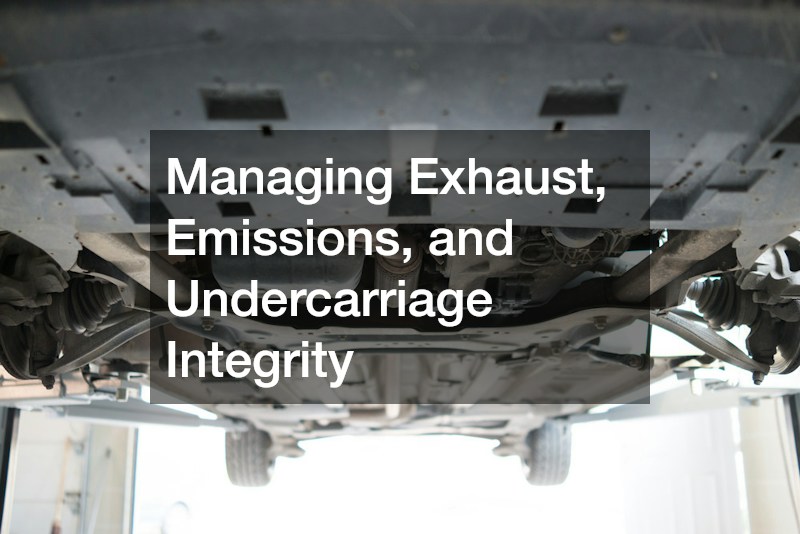
Undercarriage rust is the silent killer of aging vehicles, particularly in regions that use salt on winter roads. While cosmetic panel rust is visually unappealing, structural rot along unibody rails, subframes, and suspension mounting points renders a vehicle unsafe to drive regardless of how well the engine runs.
Exhaust and emissions systems are equally vulnerable to undercarriage exposure:
-
Catalytic Converter Failure: Internal catalyst breakdown or theft can result in replacement costs that exceed the car’s trade-in value.
-
Exhaust Gas Hazards: Pinhole leaks in rusted pipes can allow dangerous carbon monoxide to seep into the passenger cabin during idling.
-
Professional Intervention: Seeking out technicians who specialize in car muffler repairs can help resolve isolated exhaust leaks through targeted welding rather than replacing complete, expensive factory pipe assemblies.
Navigating Modern Electrical and Computer System Failures
Diagnosing electrical issues is notoriously labor-intensive. While replacing a mechanical alternator is straightforward, tracing an intermittent wiring harness short, a failing body control module, or a ghost battery drain can require hours of expensive diagnostic shop time.
Common signs of severe electrical decay include:
-
Dashboard Warning Clusters: Simultaneous, unexplained illumination of ABS, traction control, and airbag warnings caused by bus communication errors.
-
Parasitic Battery Drains: A dead battery every morning caused by a module failing to enter sleep mode after the ignition is turned off.
-
Water Ingress Short Circuits: Clogged sunroof drains or failing windshield seals that allow water to pool under carpets, corroding primary wiring looms.
Partnering with technicians who excel in electrical auto repair ensures that complex computer glitches are properly diagnosed using specialized scan tools, preventing you from wasting money replacing good parts based on guesswork.
Preserving Cosmetic Integrity and Exterior Surfaces
While cosmetic flaws do not alter a vehicle’s mechanical reliability, issues like clear coat failure, widespread surface rust, and severe body panel denting directly degrade your car’s trade-in appraisal and private resale value. The clear coat serves as the ultimate barrier against UV rays, industrial fallout, and environmental moisture; once that thin protective layer degrades or chips away, oxygen and water reach raw sheet metal, initiating rapid oxidation. Left unaddressed, surface rust quickly turns into structural perforation, eating away body panels and creating costly structural liabilities that cause prospective buyers and dealership appraisers to slash their valuation offers.
Preserving your vehicle’s exterior finish and protecting its residual market value requires a balanced combination of routine maintenance and strategic financial investment:
-
Routine Washing: Utilizing touchless options at the best car washes effectively strips away corrosive road salt, acidic bird droppings, tree sap, and metallic brake dust without dragging abrasive dirt particles across fragile clear coats.
-
Paint Restoration: Addressing rock chips and clear coat scratches early using touch-up paint or localized sealants prevents trapped moisture from creeping underneath surrounding paint layers and spreading rust out of sight.
-
Refinishing Decisions: Consulting an experienced car painting shop to refinish isolated panels, spot-blend clear coat damage, or repair localized rust spots can yield a strong return on investment for private sales. However, full-body resprays rarely pay for themselves on older commuter cars, making targeted exterior touch-ups the smartest strategy before listing your vehicle.
Assessing Structural Safety and Frame Damage After Collisions
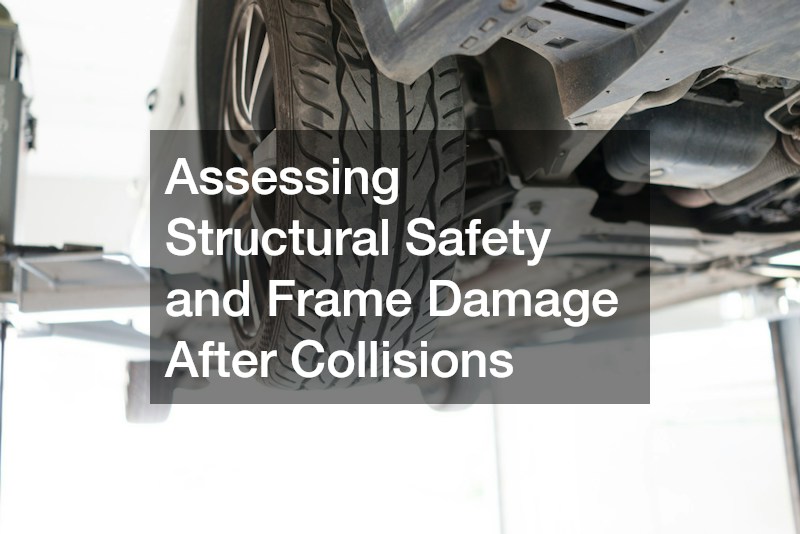
Modern vehicles are built around carefully engineered crumple zones designed to absorb, redirect, and dissipate immense crash energy around the rigid central passenger cabin. However, structural steel components possess a memory; once these critical frame rails, subframes, or unibody pillars bend, crumple, or deform in an impact, their metal integrity is permanently altered. In a subsequent collision, compromised structural components will fail to absorb impact forces properly, transferring dangerous energy directly to the vehicle’s occupants. Getting thorough second opinions from certified local auto body shops helps verify whether post-collision frame-pulling and welding procedures restore true factory structural integrity or leave behind permanent alignment flaws, uneven tire wear, and compromised crash protection.
When navigating complex post-collision scenarios, the financial and logistical fallout can quickly become overwhelming. In cases involving disputed fault, uninsured motorists, lowball total-loss valuations from insurance adjusters, or hidden structural damage, consulting a local car accident lawyer ensures your legal rights are protected. Experienced legal professionals understand how to navigate diminished value claims, audit insurance repair estimates, and negotiate fair market compensation for your damaged asset, preventing you from absorbing thousands of dollars in lost equity caused by an accident that was not your fault.
Repairing Surface Exterior Impact Damage
Low-speed fender benders often leave superficial exterior damage that looks worse than it actually is. Modern plastic bumper covers are designed to absorb light energy, meaning they can crack, scuff, or pop completely out of alignment without causing structural frame distortion. However, evaluating a modern bumper involves much more than inspecting cosmetic plastic shell damage. Today’s bumper assemblies house delicate proximity sensors, ultrasonic parking aids, and advanced radar modules that require precise alignment and digital recalibration following even a minor impact.
When dealing with low-speed collision zones, taking a systematic repair approach ensures both safety and cost-efficiency:
-
Inspect Hidden Supports: Technicians must remove damaged outer plastic covers to examine the underlying aluminum impact reinforcement bar, mounting brackets, and dense foam energy absorbers for hidden crushing or structural fatigue.
-
Sensor Calibration: Ensure driver-assist systems—such as rear cross-traffic alerts, blind-spot monitoring, and adaptive cruise control sensors—are digitally recalibrated using specialized diagnostic tools after any exterior body work.
-
Targeted Repairs: Partnering with technicians experienced in car bumper repairs allows for localized plastic welding, structural tab repairs, and paint blending. These targeted techniques restore factory aesthetics and sensor performance without forcing an expensive full-assembly replacement when underlying structural integrity remains completely uncompromised.
Weighing Unreliability and Modern Safety Technology
An undependable car impacts far more than just your monthly budget; it creates chronic daily stress, causes missed professional commitments, and introduces severe personal safety risks. The hidden costs of driving an unreliable vehicle mount quickly when you factor in lost wages from missed meetings, expensive last-minute rideshares, towing bills, and the sheer mental toll of wondering if your engine will turn over every morning. Breaking down on a busy highway shoulder during rush hour or in extreme weather conditions poses a very real danger that financial spreadsheets cannot easily capture.
Equally important when evaluating an aging vehicle is the rapidly widening automotive safety gap. Vehicle engineering and occupant protection have advanced dramatically over the past decade. Driving a fifteen-year-old car means missing out on vital driver-assist features that actively work to keep you out of harm’s way:
-
Active Crash Avoidance: Modern features like automatic emergency braking, blind-spot detection, rear cross-traffic alert, and lane-keeping assistance significantly reduce collision frequency by compensating for human reaction delays.
-
Structural Protection: Advanced high-strength steel alloys, engineered crumple zones, and comprehensive side-curtain airbag networks offer far superior crash energy absorption and occupant protection during severe impacts.
-
Peace of Mind: Upgrading to a modern platform equipped with current safety technologies delivers invaluable confidence, security, and protection for daily long-distance commuters and families alike.
Maximizing Trade-In Value and Timing the Sale
Once you decide that trading in or selling your vehicle is the right choice, taking strategic steps to maximize its remaining value will provide extra equity toward your next purchase.
Follow this checklist before presenting your car for valuation:
-
Deep Clean Interior: Remove all personal belongings, vacuum carpets thoroughly, clean leather surfaces, and wipe down plastic trim.
-
Gather Service Records: Organize receipts for oil changes, tire purchases, brake jobs, and timing belt replacements in chronological order.
-
Fix Low-Cost Flaws: Replace burnt-out exterior bulbs, top off all fluids, and install fresh windshield wipers to demonstrate careful upkeep.
Timing your vehicle sale seasonally can also net extra equity—such as selling all-wheel-drive vehicles in late autumn or convertibles in early spring—ensuring you get the absolute highest return on your asset.
Knowing when to transition out of an aging car comes down to balancing financial cold hard facts against daily safety and reliability. While driving a paid-off car is ideal, it ceases to make sense when compounding repair bills, failing electrical systems, or structural rust undermine its utility. By monitoring key mechanical wear points, calculating your true cost of ownership, and recognizing when a vehicle no longer fits your lifestyle, you can make a timely, confident upgrade that protects both your wallet and your safety on the road.