
There is nothing quite like the feeling of pulling onto the highway, a full tank of gas ahead of you, a curated playlist queued up, and the open road stretching into the horizon. The modern road trip represents the ultimate freedom—a chance to escape the daily routine and explore the country at your own pace. However, that dream of effortless travel can instantly transform into a stressful ordeal if your vehicle decides to give out fifty miles from the nearest town.
Under the Hood: Essential Fluid and Filter Checks

When you travel long distances, your engine experiences sustained stress that completely differs from the wear and tear of daily commuting. Driving at high speeds for hours on end generates immense, continuous thermal energy. To survive this environment, your vehicle relies heavily on its internal fluids to cool, lubricate, and clean its fast-moving metallic components.
Checking your engine oil is the most foundational task on this checklist. Pull out the dipstick, wipe it clean with a rag, reinsert it, and pull it out again to verify the level. If the fluid looks dark black, gritty, or smells burnt, it is past its prime. Scheduling a fresh oil change a week before your departure ensures that your engine is cushioned by fresh, high-quality lubricants that can withstand the intense friction of hot highway driving.
While you are under the hood, look beyond the engine block to examine the ancillary fluid reservoirs. The cooling system is your primary defense against a catastrophic overheat. Check the coolant expansion tank to ensure the fluid reaches the proper fill line, and inspect the rubber hoses for any signs of cracking, bulging, or brittleness. Do not forget to top off your windshield washer fluid; highway driving inevitably leads to a windshield coated in bug splatter and road grime, and running dry at high speeds is a major safety hazard.
The gearbox is another component that bears an immense workload during extended travel, especially if you are traversing mountain passes or towing a trailer. Take a moment to check your transmission fluid level and color, which should typically be a translucent pink or red. If you notice a dark brown color or a distinct burning odor, your vehicle may be at risk for internal damage. Addressing these warning signs early is vital because ignoring them can lead to sudden failures on the highway that necessitate complete transmission replacements, leaving you stranded with a massive repair bill in an unfamiliar city.
Where the Rubber Meets the Road: Tires and Braking Systems
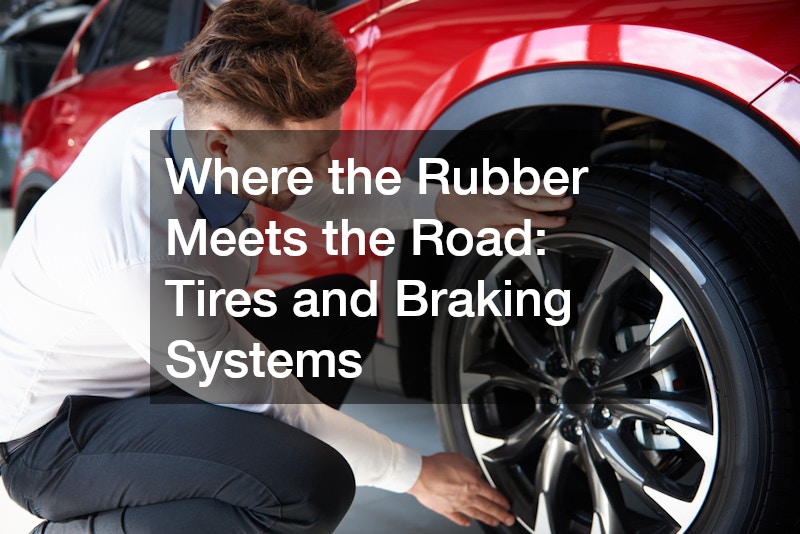
Your tires are the only physical point of contact between your vehicle and the pavement. At highway speeds, any vulnerability in your rubber is magnified exponentially. This makes a meticulous tire inspection one of the most critical safety steps you can take.
Begin by assessing the tread depth on all four tires. An easy way to do this is the classic penny test: insert a penny upside down into the tread grooves. If you can see the top of Abraham Lincoln’s head, your tread is dangerously thin and will fail to displace water properly, drastically increasing your risk of hydroplaning during a sudden summer downpour. Look closely for irregular wear patterns, such as bald spots on the edges or cupping in the center, which often indicate that your wheels are out of alignment or your suspension components are wearing out.
Tire pressure is equally critical for safety and efficiency. Under-inflated tires create excess rolling resistance, which forces your engine to work harder and ruins your fuel economy. Even worse, under-inflation causes the tire sidewalls to flex excessively, generating extreme internal heat that can culminate in a high-speed blowout.
-
Always check tire pressure in the morning when the rubber is cold, as driving heats up the air inside and gives an artificially high reading.
-
Match your tire pressure to the manufacturer’s recommended PSI, which is found on the sticker inside the driver’s door jamb, not the maximum number printed on the tire itself.
-
Do not forget to inspect your spare tire; a flat spare is completely useless when you find yourself on the side of the highway with a flat.
In addition to ensuring your tires are properly inflated, you should verify that you have the tools and supplies necessary to handle a puncture. Ensure your trunk contains a functioning car jack, a lug wrench that fits your wheels, and a portable tire repair kit or can of tire sealant for quick fixes.
Finally, listen to your brakes. If you notice a high-pitched squealing noise, a grinding sensation, or a spongy feeling when you press the pedal, your brake pads may be dangerously thin. Stopping a fully loaded vehicle at high speeds requires immense friction, and fresh brake pads are non-negotiable before a long drive.
Clear Vision and Structural Integrity

Driving a long distance means confronting a rapidly changing environment. You might begin your day driving directly into a blinding sunrise, spend the afternoon dodging gravel kicked up by semi-trucks, and end the night navigating a torrential downpour. Maintaining a clear line of sight and protecting the structural shell of your vehicle are paramount for a low-stress journey.
Your windshield is your primary window to the world, and even a minor blemish can become a major hazard. Carefully examine your glass for small chips, stars, or bullseye fractures caused by road debris. It is highly advisable to seek a professional window repair for these minor issues before you set out. The intense vibration of highway driving combined with extreme temperature fluctuations—such as blasting the air conditioning inside the cabin while the summer sun bakes the exterior glass—can cause a tiny chip to instantly spider-web across the entire windshield, destroying your visibility in a split second.
Next, give your windshield wipers a rigorous test. If they leave behind streaks of water, chatter loudly across the glass, or have torn rubber edges, replace them immediately. A heavy rainstorm on an unlit rural highway is the worst possible place to discover that your wiper blades are useless.
Beyond visibility, you should consider the physical protection of your car’s exterior body panels. Hours of driving at high speeds mean your front bumper, hood, and side mirrors will be constantly bombarded by tiny pebbles, sand, and insects. Over time, this abrasive bombardment chips away at your clear coat, exposing the bare metal underneath to rust and lowering your vehicle’s resale value. Applying a premium paint protection film to the forward-facing surfaces of your car creates an invisible, durable barrier that absorbs these impacts, keeping your factory paint looking brand new throughout your journey.
Brand-Specific Maintenance and Expert Diagnostics
While a dedicated vehicle owner can accomplish many basic maintenance tasks in their own driveway, modern automobiles are incredibly complex machines governed by intricate electrical networks and computer modules. For peace of mind, having a certified professional plug into your vehicle’s diagnostic port before a massive journey is an excellent investment.
This professional oversight is particularly critical if you drive a luxury or precision-engineered foreign vehicle. These cars feature unique mechanical tolerances and advanced driver-assistance systems, such as adaptive cruise control, lane-keeping assist, and automatic emergency braking, which rely on highly calibrated sensors. Taking your vehicle to a facility that specializes in Acura repair or your specific brand’s corporate guidelines guarantees that the technicians use genuine OEM parts and the exact diagnostic software required to spot hidden faults before they trigger a breakdown on the interstate.
-
Mechanics can check for historical error codes stored in the computer that haven’t triggered a dashboard light yet.
-
Professionals can accurately assess hidden components like the water pump, alternator, and starter motor.
-
Specialized shops understand the specific wear patterns and common failure points of your exact vehicle model.
If you are taking an older vehicle on a long trip, or if your current vehicle has sustained mismatched body panels or faded paint from years of sitting in the sun, you might also want to think about aesthetic and structural preservation. Beyond mechanical readiness, ensuring your vehicle looks respectable and cohesive adds to the pride of the journey. Opting for a professional vehicle wrapping service can wrap your car in a fresh, protective vinyl layer. This not only hides unsightly paint degradation but also provides an extra layer of defense against minor scratches and UV damage as you drive across different climate zones.
Cabin Comfort and Entertainment Upgrades

A successful road trip isn’t just about ensuring the mechanical components survive the trip; it is also about ensuring the human passengers enjoy the experience. Spending eight to ten hours a day inside a cramped metal box requires careful attention to the environment within the cabin.
First and foremost, test your air conditioning system thoroughly. A weak climate control system might feel adequate during a short commute to work, but it will quickly fail when subjected to the midday heat of a long cross-country drive. Check the airflow coming from the vents; if it feels weak or smells musty, your cabin air filter is likely clogged with dust and pollen and should be swapped out. If the air isn’t blowing ice-cold, you may need a technician to check for refrigerant leaks or compressor issues.
Because a legendary road trip requires an equally legendary soundtrack, your entertainment system plays a central role in the overall vibe of the trip. As you travel across state lines, traditional terrestrial radio stations will quickly fade into static, leaving you hunting for a signal every thirty miles. To prevent this frustration, many drivers look into upgrading their dashboard technology before departure. Investing in professional car stereo services can completely revitalize your dashboard by adding a modern touchscreen head unit equipped with Apple CarPlay or Android Auto. This allows for seamless, hands-free integration of your favorite navigation apps, podcasts, and audiobooks, ensuring you stay entertained without distracting your eyes from the road.
Finally, take some time to optimize the ergonomics of your seating area. Long hours in a fixed position can cause severe lower back fatigue and leg cramps. Consider adding a memory foam lumbar support cushion to the driver’s seat. Clean out all unnecessary clutter from the door pockets and center console to maximize your physical space, and organize an accessible trash bin so garbage doesn’t accumulate underfoot. Pack a small cooler with ice, bottled water, and healthy, low-sodium snacks to keep your energy levels steady between meal stops.
Pre-Trip Documentation and Financial Protections
The final phase of preparing for an extended journey takes place away from the garage. Navigating the legal and financial aspects of travel is just as important as checking your oil or replacing your tires. A single administrative oversight can result in heavy fines or logistical nightmares if you are pulled over or involved in an incident far from home.
Begin with a thorough audit of your glove box paperwork. Verify that your vehicle registration is current and will not expire while you are away. Make sure your physical driver’s license is valid and check that your emergency roadside assistance contact numbers are saved directly into your cell phone.
Next, turn your attention to your financial safety net. Driving in unfamiliar territory, navigating complex highway interchanges, and sharing the road with fatigued drivers naturally increases your risk profile. Before you back out of your driveway, contact your insurance provider to double-check the exact parameters of your auto insurance policy. You want to be completely certain that your coverage extends seamlessly across state lines or international borders if you plan to cross into Canada or Mexico.
-
Confirm whether your policy includes comprehensive roadside assistance, including free emergency towing, fuel delivery, and flat tire changes.
-
Verify your rental car reimbursement limits in case your vehicle requires a multi-day repair at an out-of-town shop.
-
Ensure your liability limits are high enough to protect your personal assets in the event of an unfortunate multi-vehicle collision on a high-speed freeway.
Knowing that you are fully protected against the financial fallout of an accident allows you to relax and focus on the scenery rather than worrying about worst-case scenarios.
Preparing a vehicle for a multi-day highway adventure might seem like a daunting chore, but breaking the process down into a systematic checklist makes it entirely manageable. By dedicating a few hours to inspecting your fluids, verifying your tire health, optimizing your visibility, and updating your documentation, you transform your vehicle from an unpredictable liability into a reliable sanctuary.