There is nothing quite like the feeling of loading up the trunk, cueing up a favorite playlist, and pulling out onto the open highway at the start of a long road trip. Whether you are planning a cross-country expedition, a weekend retreat in the mountains, or a long interstate drive to visit family, the journey itself is half the adventure. However, few things can derail a well-planned vacation faster than watching steam pour out from under the hood on the shoulder of an unfamiliar interstate or listening to a worrying grinding noise miles away from the nearest exit.
Preparing your vehicle properly before departure does not require you to be a master mechanic, nor does it mean spending thousands of dollars on unnecessary upgrades. By breaking your preparation down into a clear, chronological routine starting roughly two weeks before you leave, you can catch small problems early, handle simple inspections in your own driveway, and schedule professional service without last-minute panic. This comprehensive checklist walks you through every system of your vehicle from bumper to bumper, giving you the practical knowledge and peace of mind needed to enjoy every mile ahead.
Schedule Your Heavy-Duty Mechanical Inspection Two Weeks Early
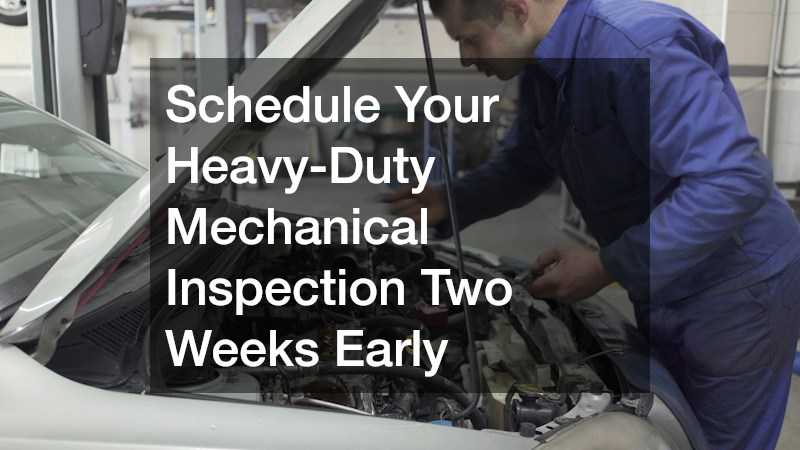
The biggest mistake many drivers make before a major trip is waiting until the day before departure to have their vehicle inspected. If a mechanic discovers a worn suspension component, a leaking radiator hose, or a failing alternator forty-eight hours before you are supposed to leave, you may find yourself scrambling for scarce replacement parts or delaying your itinerary. Scheduling a thorough mechanical checkup roughly two weeks prior to your travel dates gives you a comfortable buffer to approve repairs, order components, and test-drive the vehicle afterward to ensure everything feels solid.
Listen for Shifting Delays and Check Fluid Health Before Climbing Steep Grades
Your transmission works tirelessly during long-distance travel, especially when your vehicle is weighed down with passengers, suitcases, coolers, or rooftop cargo boxes. Climbing long highway inclines or navigating heavy traffic in high ambient temperatures generates tremendous heat inside the gearbox, and heat is the primary enemy of automatic and manual transmissions alike. Before you pack a single bag, pay close attention to how your vehicle accelerates and shifts from a complete stop up to highway merging speeds.
If your vehicle has a traditional transmission dipstick, check the fluid while the engine is warm and idling on a level surface. Healthy automatic transmission fluid should be bright red or pink, translucent, and carry a slightly sweet odor. If the fluid looks dark brown, appears gritty, or smells noticeably burnt, the internal clutches and bands are experiencing excessive friction and heat breakdown.
Ignoring these symptoms before a long haul is a recipe for getting stranded far from home. Addressing fluid degradation or mechanical wear early through professional transmission repair prevents catastrophic internal failure on steep mountain passes and saves you from astronomical towing and rebuild costs out of state.
Have a Certified Mechanic Pressure-Test Cooling, Braking, and Suspension Systems
Even if your dashboard shows zero warning lights, an experienced technician can spot deteriorating components that are invisible from the driver seat. When you drop off your vehicle two weeks before departure, ask for a comprehensive multi-point road-trip inspection rather than just a basic oil change. If your car is within a thousand miles of its scheduled oil interval, go ahead and change the oil and filter early so your engine starts the journey with fresh lubrication capable of handling sustained high-RPM highway cruising.
Establishing a relationship with reputable local auto repair services ensures you receive an honest assessment of what truly needs immediate attention versus what can wait until you return home. Keep a printed or digital copy of your inspection report and service receipts in your glove compartment so you have a clear maintenance baseline throughout your trip.
Audit Your Tires, Alignment, and Spare Equipment
Your tires are the only four patches of rubber connecting a two-ton vehicle to the asphalt. At seventy miles per hour, tires flex thousands of times per minute, generating substantial internal heat. Underinflated, overinflated, aging, or unevenly worn tires are exponentially more likely to suffer a sudden blowout when subjected to hours of high-speed friction on hot summer pavement or slick winter interstates.
Measure Tread Depth With a Quarter and Adjust PSI for Heavy Cargo Loads
You do not need specialized gauges to evaluate basic tire health in your driveway, though an inexpensive digital pressure gauge belongs in every glove box. Start by inspecting the tread depth across the inner, center, and outer ribs of all four tires. Insert a standard United States quarter upside down into the tread groove with George Washington’s head pointing down. If the top of Washington’s head is completely visible above the tread block, your tread depth is at or below four-thirty-seconds of an inch. While the legal minimum in most states is two-thirty-seconds of an inch, tires below four-thirty-seconds lose significant wet-weather traction and dramatically increase stopping distances during sudden highway rainstorms.
Always check and adjust your tire pressure when the tires are completely cold, meaning the vehicle has sat parked for at least three hours. Match the pounds per square inch specified on the white and yellow placard inside your driver-side door jamb, rather than the maximum pressure molded onto the tire sidewall. If you are carrying a full load of passengers and heavy gear, check your owner manual to see if the manufacturer recommends adding a few extra pounds of pressure for maximum load capacity. If you notice uneven wear, vibration in the steering wheel above sixty miles per hour, or the vehicle pulling slightly left or right on a flat road, visit a local tire shop for a rotation, high-speed wheel balancing, and four-wheel alignment before hitting the road.
Protect Your Windshield, Wipers, and Exterior Finish From Highway Debris
Clear forward visibility is non-negotiable when navigating unfamiliar interstates, construction zones, and sudden weather changes at high speeds. At the same time, long stretches of highway driving expose the front of your vehicle to a relentless barrage of kicked-up gravel, insects, road tar, and corrosive grit that can quickly damage glass and paintwork if left unprotected.
Fix Minor Chips Before Temperature Swings Turn Them Into Full-Width Cracks
A tiny stone chip the size of a pencil eraser might seem harmless during town driving, especially if it sits near the passenger edge of the windshield. However, once you hit the highway, structural vibrations combined with dramatic temperature shifts can turn that tiny bullseye into a foot-long crack within minutes. Running your air conditioning at full blast on a ninety-degree afternoon or cranking up the front defroster on a chilly morning creates thermal expansion stress across laminated glass, forcing microscopic fractures to spread rapidly across your line of sight.
Beyond obstructing your vision, a compromised windshield weakens the structural integrity of your vehicle’s roof in a rollover and can interfere with modern Advanced Driver Assistance Systems, whose forward-facing cameras are mounted right behind the rearview mirror. Before departing:
- Inspect the entire glass surface from both inside and outside the cabin for small star breaks, bullseyes, or edge chips.
- Contact a reputable auto glass repair service to inject resin into minor chips; the process takes less than thirty minutes, costs a fraction of a full windshield replacement, and restores structural strength to the glass.
- Replace windshield wiper blades if they are more than six to twelve months old, or if the rubber edges show any signs of tearing, chattering, or leaving streaks.
- Fill your windshield washer reservoir completely with a high-detergent bug-remover formula rather than plain water, and stash an extra gallon jug in the trunk for long summer trips.
Shield Your Front Bumper and Hood Against Gravel, Bugs, and Road Salt
Hours of interstate travel behind semi-trucks and through rural agricultural areas will coat your front grille, bumper, headlights, and hood in abrasive dust and acidic insect remains. When bug splatter bakes onto hot clear coat under direct afternoon sun, the enzymes begin etching into the paint finish within twenty-four hours, leaving permanent dull spots even after a thorough wash.
Taking a few preventative steps before leaving town keeps your exterior finish looking sharp and makes post-trip cleanup effortless:
- Wash the vehicle thoroughly and apply a fresh layer of synthetic paint sealant or ceramic spray wax to the front bumper, hood, fenders, and side mirrors to create a slick sacrificial barrier.
- Clean your headlight and taillight lenses with a dedicated plastic polish if they appear hazy or yellowed, maximizing your nighttime illumination on unlit rural highways.
- If you drive a newer vehicle or frequently travel through gravel-heavy mountain corridors, consider having auto paint protection film applied to high-impact zones such as the front bumper, leading edge of the hood, and mirror caps to absorb rock strikes without chipping your factory paint.
- Pack a microfiber towel and a small bottle of quick-detailer spray so you can wipe heavy bug buildup off your windshield and front bumper during fuel stops.
Test Your Battery, Lights, and Cabin Comfort Systems
Modern vehicles rely on stable electrical voltage to power everything from fuel injection and ignition coils to navigation screens and safety sensors. Unfortunately, car batteries rarely give dramatic warnings before failing completely. They simply work fine one morning and refuse to crank the engine the next afternoon after sitting in a rest-stop parking lot.
Walk Around the Vehicle to Verify All Exterior Lights and Cabin Filters
Driving with a burned-out brake light, turn signal, or headlight compromises your safety during nighttime driving and heavy rain, and it invites unnecessary traffic stops in unfamiliar jurisdictions. Enlist a family member or use the reflection of a garage door or storefront window to test every exterior bulb systematically:
- Low-beam headlights, high-beam headlights, and fog lights.
- Front and rear turn signals as well as four-way hazard flashers.
- Tail lights, brake lights, and the center high-mount third brake light.
- White reverse lights and rear license plate illumination bulbs.
While checking your cabin systems, pull out your cabin air filter, which is usually located behind the glove box. A cabin filter clogged with pollen, leaves, and road dust restricts airflow through your vents, forcing your air conditioning blower motor to work harder and reducing defroster efficiency during humid rainstorms. Replacing a dirty cabin air filter takes five minutes, costs very little, and keeps the interior air fresh throughout long hours behind the wheel.
Pack an Emergency Trunk Kit and Verify Your Backup Plans
Even the most meticulously maintained vehicle can fall victim to road debris, sudden blizzards, or unexpected traffic gridlock. Building a smart, compact emergency trunk kit and double-checking your coverage policies ensures that a minor hiccup remains a brief inconvenience rather than a dangerous ordeal.
Confirm Your Towing Coverage and Out-of-State Transportation Options
Before crossing state lines, take ten minutes to review the fine print of your automotive coverage and travel memberships. Basic towing plans often cover only a five-mile or fifteen-mile tow to the nearest repair facility, which can leave you paying hundreds of dollars out of pocket if your vehicle breaks down in a rural stretch of desert or mountain highway where the nearest qualified mechanic is eighty miles away.
Verify the exact terms of your roadside assistance plan, whether provided through your auto insurance policy, credit card benefits, vehicle manufacturer warranty, or an independent motor club. Save the twenty-four-hour dispatch phone number directly into your smartphone contacts and write it on a card inside your glove compartment in case your phone battery dies. At the same time, check whether your auto insurance policy includes rental car reimbursement coverage and confirm the daily dollar limit. Keeping a quick list of major car rental companies operating along your route and near major airports gives you an immediate backup plan to continue your vacation or get home on schedule if your vehicle requires multi-day parts ordering at an out-of-town shop.
Know What to Do If a Fender-Bender or Collision Happens Away From Home
Nobody wants to think about traffic collisions while planning a getaway, yet unfamiliar highway interchanges, heavy holiday congestion, and fatigued drivers make accidents an unfortunate reality on busy travel corridors. Knowing the exact steps to follow immediately after an impact prevents panic, protects your legal and financial interests, and helps you navigate repairs smoothly even when you are hundreds of miles from home.
Document the Scene Thoroughly and Arrange Safe Repairs Without Getting Stranded
If you are involved in a collision while traveling, prioritize physical safety above all else. If the vehicles are drivable and there are no severe injuries, move out of active travel lanes onto the shoulder or into a nearby well-lit parking lot, turn on your hazard flashers, and set out reflective triangles if safe to do so. Call local law enforcement immediately so an official police report is filed, even for seemingly minor fender-benders, as out-of-state insurance claims rely heavily on official documentation.
While waiting for officers to arrive, gather comprehensive evidence at the scene:
- Photograph all vehicles involved from multiple angles, capturing wide shots of the intersection or highway position as well as close-ups of structural damage, skid marks, and debris.
- Take clear photos of the other driver’s license, insurance card, license plate, and vehicle identification number.
- Collect names and phone numbers from any independent witnesses who saw the collision occur.
- Avoid apologizing or speculating about fault at the scene; stick strictly to factual observations when speaking with law enforcement.
Once the scene is cleared, determine whether your vehicle is safe to drive. Never drive a car with leaking fluids, rubbing tires, deployed airbags, damaged steering components, or an unlatched hood. If your vehicle requires structural or mechanical work to become roadworthy again, ask your insurer for direct-repair network recommendations and check independent reviews to select a reputable auto body shop near your location. If the vehicle is unsafe to drive long distances, you can also coordinate long-distance flatbed transport through your insurer to bring the vehicle back to your trusted local car collision shop near home, ensuring warranty continuity and familiar oversight while you finish your trip in a rental vehicle.
Understand Your Rights When Out-of-State Drivers or Commercial Vehicles Are Involved
Collisions occurring across state lines introduce legal and insurance complexities that do not arise during routine local fender-benders. Auto insurance laws vary dramatically from state to state—some jurisdictions operate under strict fault-based liability rules, while others follow no-fault personal injury protection frameworks or comparative negligence standards that reduce recovery based on assigned percentages of fault. Furthermore, if your accident involves a commercial semi-truck, delivery van, or rental vehicle, multiple corporate insurance carriers and federal transportation regulations may come into play simultaneously.
If you or your passengers suffer injuries, experience delayed symptoms like neck or back pain in the days following a crash, or face disputes over vehicle valuation and out-of-state medical bills, consulting an experienced car accident attorney licensed in the jurisdiction where the collision occurred helps protect your rights. Legal guidance ensures critical evidence such as commercial dashcam footage or electronic logging data is preserved before it is overwritten, preventing out-of-state adjusters from pressuring you into a premature settlement that fails to cover ongoing care.
Once you are on the highway, carry that same proactive mindset into a quick sixty-second walk-around habit each morning before loading your bags or during fuel stops. A rapid glance at your tires, a check underneath the bumper for fresh fluid drips, and a quick wipe of your windshield and headlights keep you ahead of developing issues throughout the entire journey. Bookmark or print this checklist before your next big adventure, give your vehicle the attention it deserves, and enjoy every smooth, worry-free mile of the open road ahead.