Getting your car repaired can be stressful, especially when you’re concerned about fairness and quality. Fair repairs are about more than just fixing visible damage—they involve transparency, honesty, and ensuring your vehicle is restored safely and reliably. With so many auto insurance agencies, auto body repairs, and car dent repair services available, it can be overwhelming to know whom to trust. Whether you need collision repair after an accident or routine maintenance to prevent issues, understanding your options is key. Engaging the right professionals, from accident attorneys to auto accident chiropractors, can also help protect your health and financial interests in the event of an accident. This guide will walk you through practical steps to secure fair repairs, from evaluating mechanics and repair estimates to knowing your consumer rights. By the end, you’ll have a roadmap for confidently managing your car’s repairs, ensuring both quality service and peace of mind.
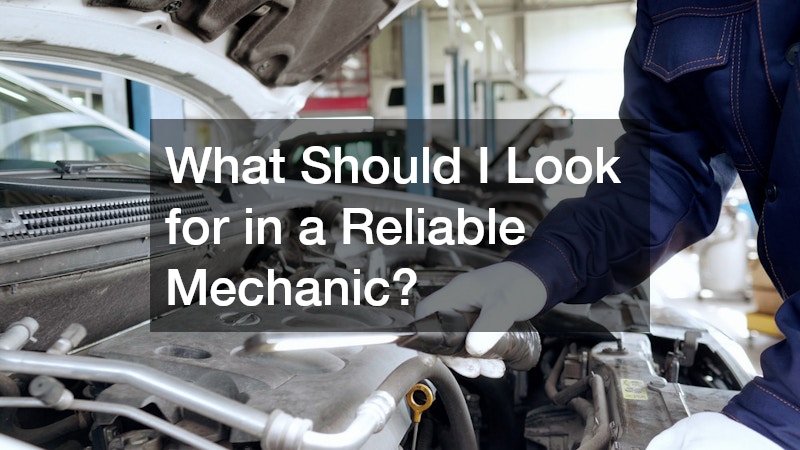
What Should I Look for in a Reliable Mechanic?
Checking Credentials and Certifications
Before you commit to any auto body repairs or car wheel repair services, it’s crucial to verify a mechanic’s credentials. Reputable professionals often hold certifications from recognized automotive organizations, indicating they have undergone rigorous training and adhere to industry standards. Credentials can also help ensure that repairs, whether minor dent fixes or major collision repair, are performed correctly and safely. Geico auto insurance agents often recommend working with certified shops to streamline claims and ensure fair repairs. Checking these qualifications protects you from inexperienced or fraudulent mechanics, reducing the likelihood of unnecessary work or inflated costs.
Reading Customer Reviews and Testimonials
Customer feedback is a valuable resource when selecting a repair shop. Reviews and testimonials can provide insight into the experiences of other vehicle owners, highlighting both strengths and weaknesses of a shop. Car accident attorneys and insurance agencies sometimes use customer satisfaction data when advising clients on reputable repair providers. Look for patterns in the reviews: shops that consistently deliver fair repairs and transparent communication are generally trustworthy. Even if a shop offers competitive pricing, poor reviews on quality or service should be a red flag. Balancing affordability with credibility ensures your vehicle receives proper care.
How Can I Get a Fair Estimate for Repairs?
Asking for a Detailed Breakdown
A fair repair begins with a clear, itemized estimate. Request a detailed breakdown of all parts, labor, and additional fees for services such as car dent repair service or auto collision repair. Transparent estimates allow you to understand exactly what you are paying for and identify any discrepancies before work begins. When consulting multiple auto insurance agencies or geico auto insurance agents, providing a comprehensive estimate can simplify claim approvals and ensure the repairs meet required standards. Never accept vague pricing or lump-sum quotes, as they can hide extra costs or unnecessary repairs.
Comparing Quotes from Different Shops
Obtaining multiple quotes is one of the most effective ways to guarantee fair repairs. Different auto body repairs and car wheel repair companies may offer varying prices for the same service. Comparing quotes allows you to assess market rates, understand labor and parts costs, and avoid being overcharged. While price shouldn’t be the sole consideration, it helps you identify potential outliers or lowball offers that could indicate subpar work. Incorporating feedback from auto accident chiropractors or car accident attorneys can further ensure your chosen repair provider is reliable and professional.
What Are My Rights as a Consumer?

Understanding Consumer Protection Laws
Automotive repair shops are bound by consumer protection laws that safeguard your rights. These laws require transparency in pricing, accurate reporting of repairs, and accountability for faulty work. Knowledge of your rights can prevent situations where you might be overcharged or misled by an unscrupulous car dent repair service or auto collision repair provider. If disputes arise, these laws empower you to demand fair repairs or pursue corrective action through regulatory channels. Auto insurance agencies and geico auto insurance agents can provide additional guidance on legal requirements, helping ensure you are treated fairly throughout the repair process.
What to Do if You Feel Taken Advantage Of
Even with precautions, issues may arise. If you suspect you are being overcharged or misled, document all communications, invoices, and estimates. Reach out to your insurance provider or consult a car accident attorney to understand your options. Filing a complaint with the Better Business Bureau or local consumer protection office may also be necessary. Taking these steps can prevent minor misunderstandings from escalating into costly problems and ensures you receive fair repairs. Recognizing when to escalate an issue can save both money and stress in the long term.
How Do I Know if Repairs Are Necessary?
Requesting a Second Opinion
It’s wise to seek a second opinion when dealing with major repairs, such as auto collision repair or car wheel repair services. Another qualified mechanic can confirm whether the proposed repairs are necessary or if certain services, like minor dent fixes, can be deferred or avoided. Auto insurance agencies often recommend this approach to ensure fair repairs and prevent unnecessary costs. Consulting multiple experts also provides leverage in discussions about pricing and parts, giving you more control over the repair process.
Recognizing Common Scams in Auto Repair
Awareness of common scams is critical for protecting your vehicle and finances. Unscrupulous shops may inflate damages, replace parts unnecessarily, or charge for services that weren’t performed. By familiarizing yourself with typical scams and red flags—such as vague estimates or high-pressure tactics—you can avoid falling victim to them. Car accident attorneys and geico auto insurance agents can offer guidance on spotting fraudulent practices, ensuring that every service you pay for contributes to actual, necessary repairs.
What Questions Should I Ask Before Approving Repairs?
Inquiring About Parts and Labor
Before approving any repairs, it’s important to clarify what parts and labor will be used. Ask whether the shop will use OEM (Original Equipment Manufacturer) parts or aftermarket alternatives, and how that choice might affect the longevity of auto body repairs or car dent repair service. Confirm labor rates and whether any additional charges could arise during the process. Clear communication ensures you know exactly what you’re paying for and helps prevent disputes. Auto insurance agencies and geico auto insurance agents often advise documenting these details in writing to support fair repairs and future claims.
Understanding Warranty and Guarantees
Reputable shops should offer warranties on both parts and labor. Understanding the scope and duration of these warranties protects you if issues arise after repairs. For instance, if auto collision repair or car wheel repair companies provide a limited warranty, make sure you know what’s covered and how to submit claims. Accident attorneys often suggest keeping copies of all warranties and receipts as evidence should a dispute require legal consultation. Warranties are a key indicator of a shop’s confidence in its work and a crucial safeguard for fair repairs.
What Should I Do if Repairs Are Not Done Properly?
Documenting Issues and Communication
If repairs aren’t completed to standard, thorough documentation is critical. Take photos, record conversations, and keep detailed notes on interactions with the shop. This evidence supports claims with your auto insurance agency or car accident attorneys. Proper documentation can also help if you need to escalate complaints about auto body repairs, car dent repair services, or car wheel repair work. Maintaining an organized record ensures that your concerns are taken seriously and increases the likelihood of prompt corrective action.
How to File a Complaint
Filing a formal complaint may be necessary if issues remain unresolved. Start with the shop’s management, then escalate to your insurance company, regulatory bodies, or consumer protection agencies. The Better Business Bureau can mediate disputes, and auto insurance agencies often provide guidance on proper procedures. Consulting an accident attorney can also be beneficial if the repair errors involve significant safety concerns or financial loss. Following a structured complaint process is a key step in ensuring fair repairs and holding providers accountable.
How Can I Maintain My Car to Avoid Frequent Repairs?
Establishing a Regular Maintenance Schedule
Routine maintenance is essential for preventing costly repairs and ensuring vehicle safety. Regular oil changes, brake inspections, tire rotations, and wheel alignments reduce the likelihood of needing frequent auto body repairs, car wheel repair services, or collision repair. Auto insurance agencies often recommend keeping a maintenance log for claims purposes. Following a consistent maintenance schedule not only prolongs the life of your car but also minimizes surprises and ensures fair repairs when issues do arise.
Recognizing Symptoms of Potential Issues Early
Early detection of problems can prevent minor issues from becoming major repairs. Listen for unusual sounds, monitor warning lights, and check for leaks or tire wear. Catching these symptoms early allows mechanics or car accident attorneys to address repairs before they escalate. Proactive attention to your vehicle promotes safety, reduces repair costs, and supports fair repairs by ensuring work is necessary and targeted.
What Are the Benefits of Using OEM vs. Aftermarket Parts?
Understanding Different Types of Parts
OEM parts, or Original Equipment Manufacturer parts, are produced by the same company that made your vehicle and are designed to match the exact specifications of the original components. This ensures precise fit, reliable performance, and consistent quality. For critical repairs such as auto collision repair, car dent repair service, or replacing essential mechanical components, OEM parts often provide peace of mind because they are specifically engineered for your make and model. In addition, using OEM parts can sometimes maintain your vehicle’s warranty and resale value, which may be important if you plan to sell or trade in your car in the future.
Aftermarket parts, on the other hand, are manufactured by third-party companies and can vary widely in quality. Some aftermarket components can even exceed OEM standards, offering enhanced durability or updated designs. However, because they are not always made to the exact specifications of your vehicle, there can be issues with fit or longevity. Despite this, aftermarket parts are often more affordable, making them a practical choice for minor repairs, cosmetic fixes, or when managing a tight budget. Understanding the differences between OEM and aftermarket parts allows you to make informed decisions that balance quality, cost, and long-term vehicle performance.
How Parts Choice Affects Repair Quality
The decision between OEM and aftermarket parts has a direct impact on the quality and longevity of your repairs. OEM parts are designed to integrate seamlessly with your vehicle, which reduces the risk of additional repairs in the future and ensures systems function exactly as intended. This is particularly important for components related to safety or critical systems, such as brakes, steering, and suspension, as well as visible bodywork in auto body repairs or car dent repair service.
Aftermarket parts can be a cost-effective solution for non-critical components or when budget constraints are a concern. However, their varying quality means you must carefully evaluate the supplier and product specifications. Poorly made aftermarket parts may wear out faster, require additional adjustments, or fail prematurely, potentially leading to more frequent repairs. Working with trusted car wheel repair companies and certified auto body repair shops helps ensure that even aftermarket parts are installed correctly and contribute to fair repairs.
Ensuring fair repairs on your car requires a proactive approach, knowledge of your rights, and careful selection of service providers. From choosing qualified mechanics to comparing estimates and understanding warranty coverage, each step matters. Engaging professionals such as auto accident chiropractors, accident attorneys, or consulting car insurance quote agents can provide additional protection and guidance, particularly after accidents. Maintaining your vehicle with routine inspections and promptly addressing early warning signs also plays a crucial role in reducing future repair needs. By making informed choices about parts, labor, and repair providers, you can avoid common scams and ensure every service contributes to your car’s longevity and safety. Ultimately, fair repairs are about transparency, accountability, and peace of mind. Following these strategies will help you confidently manage auto body repairs, car dent repair services, car wheel repair work, and collision repair, ensuring your vehicle remains reliable and safe for years to come.