Fleet management is the practice of keeping business vehicles safe, reliable, compliant, and ready for daily use. A fleet may include delivery vans, service trucks, company cars, box trucks, or heavy-duty vehicles that support field operations. Even a small fleet can become difficult to manage without clear maintenance standards. The goal is to prevent avoidable downtime while protecting drivers, customers, equipment, and the company brand.
A useful fleet plan should cover more than oil changes and tire checks. It should also account for branding needs, driver comfort, repair documentation, inspection timing, and long-term replacement decisions. For businesses that use vehicles as moving advertisements, a fleet wrap can support consistent visibility while keeping the company’s identity clear on the road. Maintenance and presentation work best when they are planned together instead of treated as separate priorities.
Beginners should avoid building a plan around emergencies alone. Waiting until a vehicle fails often leads to rushed decisions, interrupted schedules, and higher operating pressure. A better approach is to create routines that make vehicle condition easy to track week after week. When problems are documented early, managers can decide what needs immediate attention and what can be scheduled without disrupting the entire fleet.
Understand What Each Vehicle Does
Fleet planning starts with the role of each vehicle. A delivery van used in stop-and-go traffic has different wear patterns than a truck used for long highway routes. A vehicle carrying tools, parts, ladders, or refrigerated goods may need different inspections than a vehicle used mainly for sales calls. Grouping vehicles by use helps managers build maintenance priorities around real operating conditions.
Safety-related systems deserve close attention because they affect both drivers and the public. Regular brake services can be scheduled based on mileage, route type, vehicle weight, and driver feedback. Heavy loads and urban driving usually increase wear because vehicles stop more often and carry more stress through the braking system. A clear service schedule keeps safety planning proactive rather than dependent on warning signs.
Build a Preventive Maintenance Calendar
A preventive maintenance calendar turns scattered tasks into a repeatable system. It should include inspections for tires, fluids, filters, lights, belts, hoses, suspension parts, windshield wipers, and other high-use components. For braking problems that appear between scheduled checks, brake repair should be prioritized before the vehicle returns to a full workload. Delaying a known braking concern can raise risk and create more expensive damage.
Modern fleets also rely on electronics that affect safety, performance, comfort, and communication. Battery health, sensors, lighting systems, dashboard warnings, cameras, charging ports, and control modules should all be included in the maintenance conversation. When warning lights or intermittent failures appear, auto electrical repairs may prevent minor issues from turning into unpredictable breakdowns. Electrical concerns are easier to manage when drivers are trained to report them quickly.
Preventive maintenance should be tied to mileage, time, and operating conditions. A vehicle that sits for long periods may still need inspections because batteries, tires, seals, and fluids can degrade without frequent use. A vehicle that runs every day may need shorter service intervals because wear accumulates faster. The calendar should be practical enough for staff to follow and detailed enough to catch patterns.
Plan Carefully for Heavy-Duty Vehicles
Heavy-duty vehicles usually require a more specialized maintenance strategy than standard cars or vans. They may carry heavier loads, run longer hours, and operate under more demanding conditions. When performance problems appear in larger commercial vehicles, semi truck engine repair may involve diagnostics, component evaluation, and downtime planning that affects dispatch schedules. Fleet managers should treat those repairs as operational events, not routine interruptions.
Large vehicles also need enough space for inspection, service access, and safe parking. Managers should think about where vehicles will be staged, how drivers will report concerns, and how replacement units will be assigned when a truck is unavailable. Downtime planning is especially important when only a few vehicles can handle a specific route or load. The more specialized the vehicle, the more important it is to plan ahead.
Protect Brand Appearance on the Road
A fleet often becomes one of the most visible parts of a business. Clean, consistent vehicles help customers recognize the company and can make field teams look more organized. When vehicles are added, replaced, or reassigned, a fleet wrap can help keep branding consistent across different models and body styles. The best branding choices are readable, durable, and aligned with how the vehicles are actually used.
Exterior condition also affects how the fleet is perceived. Scratched panels, faded finishes, mismatched colors, and worn surfaces can make otherwise reliable vehicles look neglected. Well-timed car paint services can support brand consistency when vehicles need refinishing after age, weather exposure, or body repairs. Appearance work should be coordinated with other repairs so vehicles do not leave service more often than necessary.
Brand standards should be simple enough to maintain across the whole fleet. Managers can create photo references, color guidelines, cleaning expectations, and replacement thresholds for damaged graphics or finishes. Those standards make it easier to decide when a vehicle needs attention instead of relying on individual judgment. Consistency is especially helpful when multiple locations or teams use the same company vehicles.
Improve Driver Comfort and Visibility
Driver comfort has a practical effect on fleet performance. Long routes, harsh sun exposure, glare, and interior heat can make daily driving more tiring. In some cases, auto tinting may support comfort and visibility when it complies with applicable laws and does not interfere with safe operation. Managers should evaluate tint choices with safety, driver needs, and vehicle use in mind.
Comfort decisions should never compromise visibility or compliance. Drivers need clear sightlines through windshields, mirrors, windows, and backup cameras. Interior organization also matters because loose tools, paperwork, cords, and supplies can distract drivers or make vehicles harder to use. Small improvements to comfort and organization can reduce daily friction across the fleet.
Make Reporting Simple for Drivers
Drivers are often the first people to notice problems. A pull in the steering wheel, a new vibration, a warning light, a soft pedal, or an unusual sound can reveal issues before they become severe. When drivers understand how to report concerns, brake services can be scheduled based on real observations instead of waiting for the next calendar reminder. Simple reporting habits make the maintenance system more accurate.
Minor exterior damage should be reported the same way mechanical concerns are reported. Small dents may not stop a vehicle from working, but they can affect resale value, branding, and customer perception. Timely auto dent removal can keep the fleet looking professional while preventing small damage from becoming part of the normal appearance of the vehicle. Clear standards help drivers understand which cosmetic issues matter.
The reporting process should be quick, consistent, and easy to document. A mobile form, shared checklist, or end-of-shift log can capture vehicle number, mileage, symptoms, photos, and urgency. Managers can then group similar issues, track recurring problems, and decide whether a vehicle should stay in service. Good reporting reduces guesswork and improves accountability.
Respond Correctly After Accidents
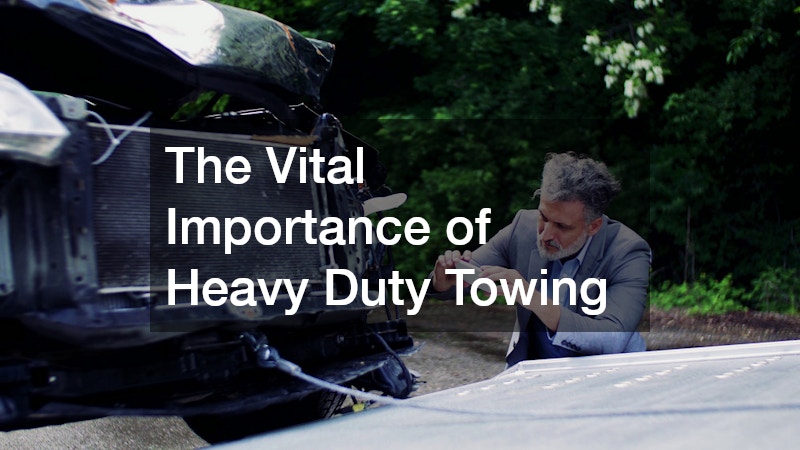
Accidents require a structured response that protects people first and vehicles second. Drivers should know how to document the scene, notify the company, follow internal procedures, and avoid making unsafe decisions. Once immediate safety steps are complete, auto collision repairs should be coordinated with insurance, scheduling needs, and any required inspections. A clear accident process keeps the business from improvising under pressure.
Accident-related mechanical issues may not always be obvious at first. A vehicle can look drivable while hiding suspension, alignment, sensor, wheel, or braking concerns. If an impact affects stopping performance, brake repair should be evaluated before the vehicle returns to regular service. Safety checks after a collision should be more thorough than a visual inspection alone.
Repair records should stay with the vehicle history. Each accident file should include photos, estimates, repair invoices, inspection notes, and downtime dates. Those records help managers evaluate recurring patterns, future resale value, and whether a vehicle is still cost-effective to keep. Good documentation also supports clearer communication with drivers and leadership.
Track Emissions, Sensors, and Power Systems
Fleet vehicles often need to meet inspection, emissions, and performance expectations. Exhaust-related warning signs, poor fuel efficiency, unusual smells, rattling underneath the vehicle, or failed emissions tests should be addressed promptly. When diagnostics point to the exhaust system, catatylic converter replacement may be part of keeping the vehicle compliant and dependable. Managers should plan this work carefully because parts availability and labor timing can affect scheduling.
Electrical reliability also deserves attention in annual planning. Many vehicles depend on sensors, cameras, locks, lighting, telematics, ignition systems, and driver-assistance features. Budgeting for auto electrical repairs helps prevent managers from treating every electronic issue as an unexpected expense. As fleets become more technology-dependent, electrical maintenance becomes part of core vehicle readiness.
Inspection requirements can vary by vehicle type, location, and use. Managers should maintain a calendar for registration renewals, emissions checks, safety inspections, and any company-specific requirements. Missing those deadlines can remove a vehicle from service even when it is mechanically sound. Compliance planning is a basic part of fleet availability.
Reduce Downtime With Smarter Scheduling
Downtime is one of the biggest hidden costs in fleet management. A vehicle in the shop can delay routes, reduce service capacity, require rentals, or push more miles onto other vehicles. For high-use trucks, semi truck engine repair should be scheduled with route coverage, parts lead times, and backup capacity in mind. Planning around operational impact helps the business stay productive while repairs are completed.
Body damage can also create downtime when it affects safety, visibility, doors, cargo access, or required equipment. In those cases, auto collision repairs may need to be prioritized even if the vehicle can still move. A door that does not close properly or a damaged light assembly can create more risk than managers expect. Downtime decisions should consider function, safety, and brand condition together.
Scheduling works best when fleet managers have service partners, driver availability, and replacement plans identified before problems occur. A small fleet may need to stagger repairs so too many vehicles are not unavailable at once. A larger fleet may benefit from rotating maintenance windows by vehicle group. The main objective is to avoid turning every repair into an operational surprise.
Maintain the Finish and Small Details
Small appearance issues can accumulate quickly across a fleet. Scratches, chips, faded panels, and mismatched repairs may not seem urgent on one vehicle, but they can weaken the brand impression when they appear across many. Strategic car paint services can be used when refinishing supports a broader maintenance or resale plan. Paint decisions should be made with durability, vehicle age, and business image in mind.
Dents should be evaluated based on location, severity, and effect on branding or function. Damage near handles, doors, lights, graphics, or body lines can be more noticeable than dents in less visible areas. Well-planned auto dent removal can help preserve the vehicle’s appearance without automatically turning every small mark into a major body project. A consistent threshold keeps decisions fair across the fleet.
Cleaning and inspection routines make finish maintenance easier. During washes, staff can look for new chips, loose trim, damaged mirrors, peeling graphics, and water intrusion. Catching those issues early helps managers combine minor repairs into planned service windows. A clean vehicle is also easier to inspect accurately.
Budget for Upgrades and Replacement Cycles
Fleet budgeting should include maintenance, repairs, appearance work, compliance, downtime, and eventual replacement. Treating each expense as a surprise makes it harder to see whether a vehicle is still worth keeping. For customer-facing vehicles, auto tinting may be part of a comfort or presentation budget when heat, glare, or interior protection are recurring concerns. Budget categories help managers make better comparisons between vehicles.
Some repairs should be flagged as major decision points. Repeated emissions failures, severe rust, aging electronics, or recurring powertrain problems can signal that a vehicle is becoming less reliable. If diagnostics repeatedly point toward catatylic converter replacement or related exhaust concerns, managers should compare repair costs against age, mileage, and expected future use. Repairing a vehicle makes sense only when it still supports the fleet’s operational goals.
Replacement planning should begin before vehicles become unreliable. Mileage, maintenance history, fuel costs, downtime frequency, driver feedback, and resale value can all guide the timeline. Replacing vehicles too late can create repeated disruptions, while replacing them too early can waste useful asset life. A balanced plan helps the fleet stay dependable without overspending.
Keep Improving the System
Fleet management should become more accurate over time. Each repair, inspection, driver report, and downtime event adds information that can improve future decisions. Managers should review which vehicles cost the most, which routes create the most wear, and which problems repeat across similar models. Those patterns can guide better buying, maintenance, and scheduling decisions.
The best beginner strategy is to keep the system clear and usable. Drivers should know what to report, managers should know how to prioritize, and service records should be easy to review. A fleet does not need a complicated process to become more reliable; it needs consistent habits that people actually follow. Over time, those habits reduce surprises and make vehicle planning feel more controlled.
A strong fleet program protects more than the vehicles themselves. It supports customer service, employee safety, route reliability, brand image, and long-term operating costs. By combining preventive maintenance, clear reporting, smart scheduling, and realistic budgeting, businesses can keep vehicles ready for the work they need to do. For beginners, the most important step is simply to start treating every vehicle as part of one connected system.