There is a distinct, sinking feeling that accompanies a sudden loss of engine power when you are hundreds of miles from home. The open highway, which felt like a highway of freedom only moments before, suddenly becomes a vast, unforgiving landscape. Long-distance road trips strain a vehicle in ways that daily commuting never will. Continuous highway speeds, heavy cargo loads, fluctuating ambient temperatures, and steep mountain grades test every component of your mechanical setup. When a critical failure occurs far from your home garage, the situation demands clear thinking, swift prioritization, and a methodical approach to safety and logistics.
Managing a major breakdown isn’t just about turning wrenches or calling for assistance; it is an operational challenge. You must secure your safety in a high-hazard environment, diagnose complex issues on the fly, coordinate specialized recovery, and protect your legal and financial interests—all while managing the psychological stress of an interrupted journey. This comprehensive guide serves as your action manual for surviving and overcoming severe vehicle failures on long-distance journeys.
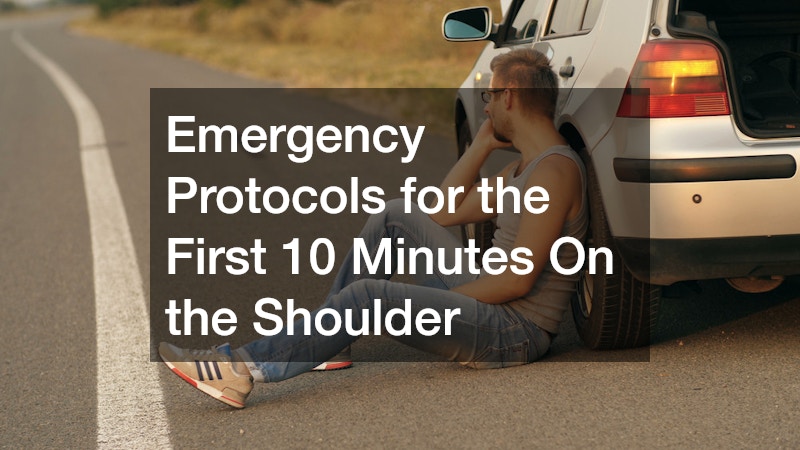
Emergency Protocols for the First 10 Minutes On the Shoulder
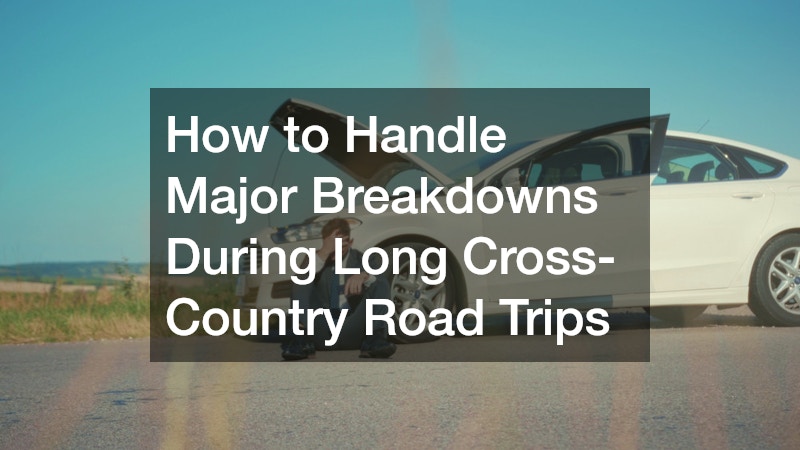
The initial ten minutes following a mechanical failure or severe system malfunction are the most dangerous. Highway shoulders are high-risk zones, and high-speed traffic poses an immediate threat to you, your passengers, and your rig. How you handle your vehicle during those first critical moments determines whether a mechanical hassle remains a simple repair or turns into a major disaster.
Safely Exiting Active Lanes
-
Signal Early and Coast: As soon as you detect severe power loss, unusual noises, or warning lights, activate your hazard signals immediately. Do not slam on the brakes in active traffic. Coast toward the right-hand shoulder or, if possible, take an upcoming exit ramp to get off the main highway entirely.
-
Avoid High-Risk Locations: Never stop on blind curves, narrow bridges, or near the crest of a hill where oncoming traffic cannot see you. If your vehicle is still rolling, push it as far off the paved shoulder and onto the gravel or grass as safety allows.
-
Position Your Tires: If parked on an incline or near traffic, turn your wheels away from the roadway. If another vehicle strikes yours from behind, this prevents your rig from being pushed back into active travel lanes.
Securing the Vehicle Cabin and Environment
Once the vehicle comes to a complete halt, engage your emergency brake immediately. Your next priority is to make the vehicle as visible as possible while keeping all occupants safe.
-
Deploy High-Visibility Indicators: If you have traffic cones, reflective warning triangles, or emergency flares, place them behind your vehicle to alert oncoming drivers. Space them out at intervals of 50, 100, and 200 feet behind your rear bumper, especially if visibility is compromised by darkness, fog, or rain.
-
Assess the Cabin Safety: If you are stopped on a narrow shoulder with heavy traffic whizzing past, remaining inside the cabin with your seatbelts securely fastened is often safer than exiting onto the road. However, if you are safely off the pavement and behind a guardrail, exit through the passenger-side doors and wait behind the barrier.
-
Keep Passengers and Pets Calm: High-speed traffic can induce panic in children and domestic animals. Keep pets on short leashes before opening any doors, and ensure every passenger understands where to stand safely away from the roadway edge.
Assessing Mechanical Failures and On-the-Spot Diagnostics
Once immediate safety is established, you must conduct a calm, thorough assessment of your vehicle’s condition. Determining whether a problem is structural, mechanical, or cosmetic helps you communicate clearly with dispatchers, mechanics, and insurance adjusters later on.
Evaluating Power Loss and Structural Issues
Before opening the hood or crawling beneath the chassis, perform a visual inspection from a safe distance. Look for leaking fluids, sagging suspension components, or smoke.
-
Differentiate System Symptoms: Engine overheating often produces steam under the hood and a sweet coolant smell, whereas transmission slippage causes delayed gear engagement, high RPMs without acceleration, or a burnt oil odor. Critical driveline failures usually manifest as loud clanking, heavy vibrations, or complete loss of drive capability.
-
Inspect Cargo and Bed Closures: On long cross-country hauls, structural components on modified utility rigs and pickup trucks endure extreme vibration. Check the mounting hardware, latching mechanisms, and structural integrity of exterior covers. If you are hauling heavy equipment under a truck camper shell, inspect the mounting clamps along the bed rails to ensure highway vibration hasn’t shifted the center of gravity or loosened structural seals.
Managing Overhead and Exterior Shell Damage
Overhead hazards, low-hanging branches, and severe crosswinds cause substantial structural fatigue over thousands of miles. This is particularly true for tall recreational vehicles, slide-in units, and modified haulers.
-
Check High-Clearance Seams: Inspect the upper perimeter of your vehicle for hairline fractures, broken sealant lines, or aluminum fatigue. Water entering through micro-fissures at highway speeds can rot interior framing, short out electrical runs, or compromise roof structural stability within hours.
-
Address Exterior Membrane Fractures: Roof membranes on large rigs can tear under the strain of fallen debris or low clearances. If you notice structural compromise, water ingress, or torn weatherproofing layers while on the road, you may need temporary adhesive patches before seeking professional RV roof repairs at a qualified service facility.
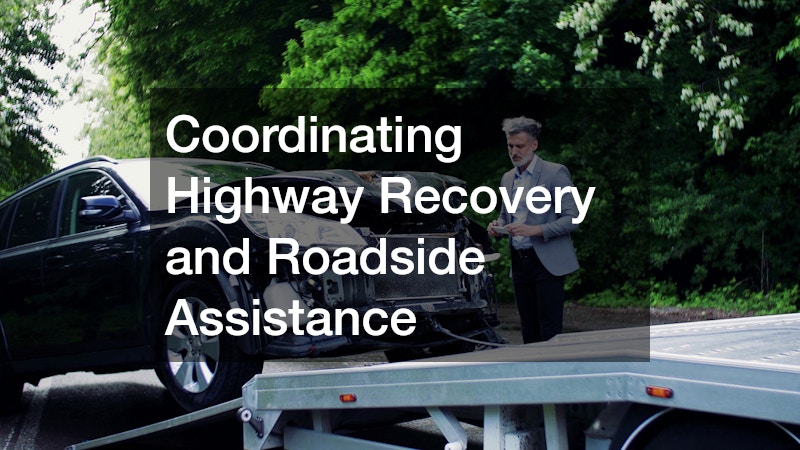
Coordinating Highway Recovery and Roadside Assistance
When a vehicle cannot be safely driven to a shop, long-distance recovery becomes your main priority. Coordinating heavy vehicle recovery requires precise communication, as sending the wrong equipment can result in hours of wasted time and potential vehicle damage.
Calling for Immediate Roadside Assistance
-
Provide Precise Location Data: Never rely solely on approximate mile markers. Use your smartphone GPS to capture exact latitude and longitude coordinates, or reference the nearest mile marker, exit number, and directional lane (e.g., I-80 East, Mile 142).
-
Detail Vehicle Metrics Accurately: Inform dispatchers of your exact gross vehicle weight rating (GVWR), total length, width, and clearance height. Standard light-duty wreckers cannot handle heavy rigs, modified overland vehicles, or large trailers.
-
Request Appropriate Equipment: If your vehicle has four-wheel drive, full-time all-wheel drive, or a damaged axle, explicitly demand a flatbed transport. Requesting a professional tow truck service that specializes in oversized or heavy-duty transport prevents driveline damage during loading and transit.
Finding Immediate Nearby Help
When you are stranded far across state lines, local geography can complicate recovery efforts. Dispatch networks may attempt to send assistance from major cities that are hours away, leaving you exposed on the shoulder for far too long.
-
Cross-Reference Dispatch Locations: While waiting on national roadside assistance networks, research nearby regional providers independently. Pinpointing a fast-responding local tow truck service operating within the immediate county often cuts waiting times in half.
-
Verify Operator Ratings: Ensure the dispatched recovery team carries adequate insurance coverage for high-value gear, heavy trailers, and custom rigs. Ask if the driver is certified in heavy recovery procedures to avoid chassis twisting or body damage during winching operations.
On-Site Repairs vs. Shop Dispatch Decisions
Not every breakdown requires a tow to a distant garage. Evaluating whether a repair can be completed on the shoulder versus inside a fully equipped service bay saves significant time and money during cross-country travel.
Evaluating On-Scene Mechanical Help
Minor mechanical failures—such as snapped serpentine belts, blown radiator hoses, failed alternators, or dead batteries—do not always necessitate moving the vehicle to a physical shop.
-
Identify Mobile Repairs: Simple component replacements, fuel delivery problems, and minor sensor malfunctions can often be addressed directly on the shoulder or inside a nearby rest area parking lot.
-
Utilize Field Technicians: Instead of paying high haulage fees to get to a distant shop, hiring a certified mobile truck repair technician allows you to get back on the road without disassembling your entire towing or living setup. These mobile specialists carry diagnostic computers, heavy tools, and common replacement parts directly to your location.
When Heavy Hauling Is Unavoidable
Some mechanical issues are simply too severe for roadside resolution. Blown head gaskets, internal transmission failures, cracked axles, and destroyed differentials require hoist equipment, clean workspace conditions, and specialized teardown procedures.
-
Know Your Vehicle Limits: Attempting roadside fixes on major internal drivetrain components endangers you and often leads to incomplete repairs that fail again fifty miles down the highway.
-
Coordinate Specialized Dispatch: When internal mechanical damage or structural suspension failure renders your vehicle completely unmovable, you must arrange heavy transport. This requires specialized, heavy-duty tow trucks capable of lifting immense weight without placing undue stress on your vehicle’s frame or suspension architecture.
Selecting the Right Repair Shop and Protecting Your Travel Budget
Once your vehicle is off the highway and safely at a repair facility, the next hurdle is managing repair timelines, costs, and quality control. Being an out-of-state driver puts you at a natural disadvantage, making clear communication with service managers vital.
Navigating Specialty Repairs for Out-of-State Drivers
Standard automotive garages often lack the bay sizes, lift capacities, or specialized training required to diagnose complex house systems, heavy diesel drivetrains, or dual-fuel mechanics.
-
Seek Specialized Facilities: If your breakdown involves specialized chassis electronics, generator systems, slide-outs, or internal living components, look for a certified RV service center rather than a general automotive oil-and-lube shop.
-
Establish Clear Communication: Get written estimates before authorizing any tear-down work. Explain to the service writer that you are mid-transit on a long-distance road trip, and request realistic timelines regarding parts availability and labor allocation.
Comprehensive Maintenance Checks Before Resuming Your Trip
Before picking up your keys and jumping straight back onto the interstate, conduct a thorough inspection of the work performed and ensure no secondary issues were introduced during the repair process.
-
Audit Primary and Auxiliary Systems: Verify that all primary mechanical fixes are complete, then test your auxiliary systems. If your vehicle features specialized living quarters or heavy house electronics, confirm that these networks were reconnected properly by utilizing certified RV services to run full system diagnostics.
-
Inspect Modular Exteriors and Hardware: Ensure that external bodywork, access doors, latches, and utility covers were securely reinstalled prior to test-driving. Verify that protective covers, fiberglass shells, or heavy truck tops are securely fastened down to the bed rails and that all electrical brake lights are functioning properly.
Managing Collisions and Legal Protections Far From Home
Not all road trip disruptions are purely mechanical. Collisions with other motorists, wildlife, or commercial transport vehicles present unique operational and legal challenges when you are far away from your home jurisdiction.
Handling Complex Roadside Collisions
Sustaining collision damage thousands of miles from home creates immediate complications regarding law enforcement reports, insurance assessments, and liability determinations.
-
Document Everything On-Scene: Take high-resolution photos and videos of all vehicles involved, road conditions, skid marks, traffic signals, and weather conditions. Capture the damage from multiple angles, including close-ups and wide shots showing the overall scene layout.
-
Gather Crucial Data: Exchange driver’s license numbers, insurance policies, phone numbers, and vehicle registration details with all involved parties. Obtain contact information from any neutral eyewitnesses before they leave the area.
-
File Official Reports: Always request a state trooper or local police officer to the scene to file an official traffic collision report. Never agree to informal financial settlements on the side of the road, as hidden mechanical or structural frame damage may cost thousands of dollars to fix later.
Securing Legal Representation for Out-of-State Incidents
Collisions involving heavy commercial freight haulers, delivery vehicles, or multi-car pileups on major interstate corridors present complex legal challenges. Different states maintain varying laws regarding comparative negligence, statute of limitations, and mandatory insurance minimums.
-
Understand Jurisdictional Challenges: Handling an out-of-state accident insurance claim through your home state’s general insurance agent can result in delayed settlements or reduced payouts due to unfamiliarity with regional statutes.
-
Consult Specialized Legal Counsel: If you sustain severe physical injuries or extensive property damage in a major highway crash involving commercial rigs or freight haulers, retain a qualified truck accident lawyer who practices in the jurisdiction where the accident occurred. A localized legal advocate understands state-specific transport regulations, commercial trucking compliance standards, and liability laws, ensuring your financial and legal rights remain protected throughout the recovery process.
Using This Guide for Long Cross-Country Trips
A major mechanical breakdown or accident during a long cross-country road trip tests the patience and preparation of even the most experienced traveler. While failure of mechanical components can happen to anyone, the outcome of the event depends entirely on your preparation, composure, and execution under pressure.