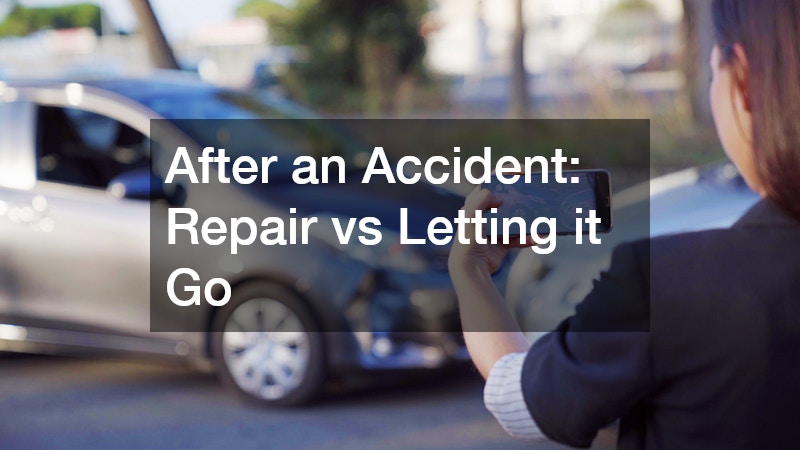
A car accident can turn your day—and your finances—upside down in a matter of seconds. The sudden impact doesn’t just affect your physical environment but also disrupts your mental and emotional equilibrium. From the moment of the crash, questions and concerns flood your mind, demanding immediate attention and action. Once the initial shock subsides, and you’ve addressed pressing concerns like ensuring everyone’s safety, contacting emergency services if necessary, and reporting the incident to your insurance company, you’re faced with another crucial decision: should you opt to repair your vehicle that holds perhaps a history and fond memories, or is it time to part ways and seek a new mode of transportation entirely?
At first glance, the answer might seem straightforward. If the car is still in operable condition and the cost of repairs is within your budget, it seems logical to repair it and continue with life as usual. Conversely, if the damage seems irreparable, replacing it might be the only viable option. However, the reality of the situation is often much more nuanced and layered. There are various factors to weigh beyond the immediate visibility of damage and repair costs. Considerations range from the safety of the vehicle post-repair, its reliability in the long term, any sentimental value you may attach to your vehicle, and the potential long-term financial implications of your decision. A repair that appears manageable at first glance could escalate into a continuous series of expenses, draining your finances over time. Conversely, making a hasty decision to replace the vehicle might lead to premature financial loss, especially if the car still holds substantial value that could be preserved through repairs.
This comprehensive guide aims to walk you through every factor you should carefully evaluate in the aftermath of an accident. Our goal is to empower you with information and perspectives that equip you to make a well-informed and intelligent decision, considering not only your current financial standing but also your future needs and aspirations. In doing so, you’ll be able to align your choice with a strategy that supports your overall life goals, ensuring peace of mind in the journey ahead.
Start with a Complete Damage Assessment Before Deciding
Before making any decisions, you need a clear understanding of the extent of the damage. What you see on the surface is often only part of the story. Hidden structural issues can significantly impact both repair costs and safety.
A visit to a trusted auto repair shop is essential. Professionals will conduct a thorough inspection, looking beyond visible dents and scratches to assess the vehicle’s internal systems.
A skilled mechanic will typically evaluate:
- Frame alignment and structural integrity
- Engine and transmission condition
- Suspension and steering components
- Electrical systems and sensors
It’s also wise to get multiple estimates. Different shops may identify different issues or provide varying cost breakdowns. This helps you avoid surprises later and gives you a more accurate picture of your options.
Key takeaway: never base your decision on a quick visual inspection alone. A professional assessment provides the foundation for everything that follows.
Understand the True Cost of Repairs vs Vehicle Value

Once you have repair estimates, the next step is comparing those costs to your vehicle’s current value. This is where many people realize that fixing their car may not be the best financial choice.
A car repair shop will typically break down costs into:
- Labor
- Replacement parts
- Materials and finishing work
One major factor is auto painting, which can significantly increase the overall cost. Even minor body damage may require repainting entire panels to match the original finish, adding hundreds or even thousands of dollars to the bill.
To evaluate your options:
- Determine your car’s current market value
- Compare it to total repair costs
- Consider how much value the repairs will restore
If repair costs approach or exceed 50–70% of the vehicle’s value, it may not be worth fixing. This is often referred to as the “total loss” threshold by insurance companies.
Keep in mind that additional issues may arise during repairs, increasing costs further. Always factor in a buffer when making your decision.
Consider Safety and Long-Term Reliability First
While cost is important, safety should always be your top priority. Not all vehicles can be restored to their original condition after a serious accident.
Structural damage, in particular, can compromise your car’s ability to protect you in future collisions. Even if repairs are completed, the vehicle may not perform the same way it did before.
This is especially relevant for vehicles requiring foreign auto repair, where specialized parts and expertise are needed. Improper repairs can lead to long-term issues that are both costly and dangerous.
A qualified mechanic can help determine:
- Whether the frame has been permanently compromised
- If safety systems like airbags and sensors are fully functional
- Whether the car can be reliably driven long-term
Signs that your vehicle may not be worth repairing include:
- Significant frame damage
- Repeated mechanical failures after repair
- Difficulty sourcing quality replacement parts
When safety is in question, it’s often better to let the vehicle go rather than risk ongoing issues.
Evaluate Insurance Coverage and Legal Considerations

Insurance plays a major role in the repair vs replace decision. Understanding your policy and how claims are handled can significantly impact your outcome.
After an accident, your insurer will typically:
- Assess the damage
- Provide an estimate
- Determine whether the vehicle is repairable or totaled
In more complex situations, consulting a car accident lawyer can help you navigate disputes or ensure you receive fair compensation.
You may also be directed to an approved auto repair shop, which works directly with your insurance provider. While convenient, it’s still important to ensure the shop meets your standards for quality.
Key steps to take:
- Review your policy coverage
- Understand your deductible
- Keep detailed records of all communications and estimates
Being informed helps you advocate for yourself and avoid being pressured into a decision that isn’t in your best interest.
Decide if Cosmetic Repairs Are Worth the Investment
Not all damage affects how your car functions. Cosmetic issues, while frustrating, don’t always justify the cost of repair.
Auto painting is one of the most common cosmetic fixes after an accident. While it can restore your car’s appearance, it may not significantly increase its resale value—especially for older vehicles.
Similarly, damage to windows or glass may lead you to consider upgrades like auto window tinting. While this can improve comfort and aesthetics, it’s important to weigh the cost against the overall value of the vehicle.
Consider skipping cosmetic repairs if:
- The vehicle is older or has high mileage
- You plan to sell or replace it soon
- The damage doesn’t affect safety or functionality
In some cases, living with minor imperfections is the more practical choice.
Factor in Your Vehicle’s Age, Mileage, and Condition

Your car’s overall condition plays a major role in determining whether repairs are worthwhile.
Older vehicles with high mileage are more likely to experience additional issues, even after repairs. In these cases, investing in extensive fixes may not make financial sense.
A trusted car repair shop can provide insight into:
- The expected lifespan of your vehicle
- Potential future repair needs
- Whether the car is worth maintaining
When repair costs are high and the vehicle’s value is low, junk car recycling may be a more practical option. This allows you to recover some value while avoiding ongoing expenses.
Important considerations:
- Age and mileage of the vehicle
- Maintenance history
- Current market value
Balancing these factors helps you make a more objective decision.
Explore Selling Options Instead of Repairing
If repairs don’t make sense, selling your vehicle as-is can be a viable alternative.
Car for cash services offer quick transactions and immediate payment. These services typically buy vehicles in any condition, making them a convenient option after an accident.
Junk car recycling is another route, especially for vehicles with significant damage. This involves selling the car for parts or scrap, which can still provide some financial return.
When exploring selling options:
- Get multiple quotes
- Compare offers carefully
- Consider convenience vs maximum value
While you may not get as much as you would from a fully repaired vehicle, selling as-is can save time, effort, and additional expenses.
Restore and Maintain Your Car After Repairs
If you decide to repair your vehicle, proper maintenance afterward is essential to protect your investment.
Start by establishing a regular cleaning routine. A hand wash car approach is gentler on the vehicle’s finish and helps preserve the results of repairs.
You may also want to revisit features like auto window tinting to improve comfort and protect the interior from UV damage.
Post-repair maintenance should include:
- Regular inspections for new issues
- Keeping up with scheduled servicing
- Addressing minor problems before they escalate
Taking care of your car after repairs ensures it remains reliable and retains its value.
Choose the Right Repair Professionals Carefully
The quality of repairs depends heavily on the professionals you hire. Not all repair shops offer the same level of expertise or service.
When selecting an auto repair shop, look for:
- Certified technicians
- Positive customer reviews
- Clear and transparent pricing
If your vehicle requires specialized work, such as foreign auto repair, choosing a shop with the right experience is crucial.
Questions to ask:
- What certifications do your technicians have?
- Do you offer warranties on repairs?
- How long will the repairs take?
Taking the time to choose the right professionals can make a significant difference in the outcome.
Make a Final Decision Based on Long-Term Value
Ultimately, the decision comes down to long-term value. You need to consider not just the immediate cost, but how the choice will impact you over time.
If repair costs are high and the vehicle’s reliability is uncertain, selling it through a car for cash service may be the better option.
On the other hand, if repairs restore the vehicle to a safe and reliable condition, they may be worth the investment—even if it includes expenses like auto painting.
To make your decision, ask yourself:
- Will the car be safe and reliable after repairs?
- Are the costs justified by the vehicle’s value?
- Would replacing the car be a better long-term investment?
Creating a simple checklist can help you weigh these factors objectively.
Deciding whether to repair your car or let it go after an accident is never easy. This decision is often filled with emotional complexity as well as practical concerns. By carefully evaluating various critical factors such as the extent of the damage to your vehicle, the costs associated with repairing it, and any potential compromises to safety, you can arrive at a decision that not only guards your financial well-being but also ensures your peace of mind. Deliberating on these aspects involves not only a cost-benefit analysis but also introspection into your current and future transportation needs, as well as your attachment to the vehicle itself.
Taking the time to assess your options thoroughly ensures you move forward with confidence, whether that means restoring your beloved car to its former glory or setting out on a new path by investing in a different vehicle. Understanding the implications of your decision on both your daily life and long-term goals is fundamental. By considering the immediate necessity of having a reliable mode of transport, potential insurance implications, and the long-term value of a new vehicle versus the sentimental and practical worth of your current car, you will be in a much better position to make a choice that aligns with your personal circumstances and life goals. This comprehensive evaluation makes the decision-making process more systematic and less overwhelming.